

Protein rich and Vit e boosting Peanut Caramel Crunch Chocolate bar
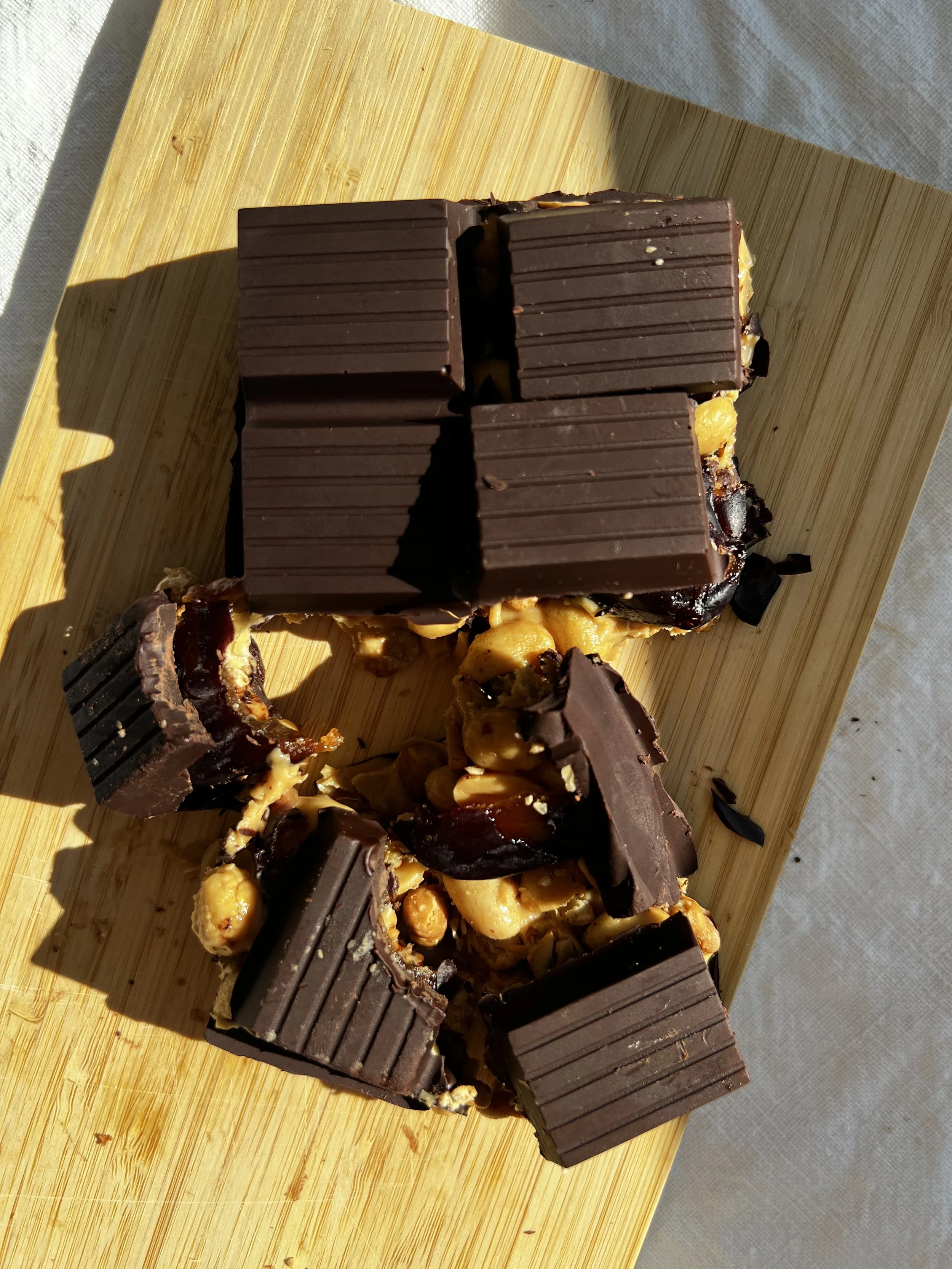
Ah peanut butter, let me count the ways I love thee.
Well, firstly, it’s delicious, of course.
Secondly, it’s an evidenced-based food for reducing blood sugar spikes from meals.
And thirdly, peanuts have been shown to lower oxidative stress levels in us endo peeps thanks to their rich vitamin E content.
So, I promised you guys I would be bringing you easier to make treats inspired by some of our favourite goodies, and so here is another for you. I thought that I was inspired by a Lion Bar for this one, but actually I think it’s yet another hybrid invention mixing the peanut flavour of a Snickers and the crispy crunch of a Lion Bar. I never said I’d do it perfectly! But it tastes damn good all the same.
This protein rich, vit E boosting peanut caramel crunch bar is…
High in vitamin E which can help reduce inflammation, oxidative stress levels and period pain, and support healthy progesterone levels.
Peanuts are a significant source of vitamin E, vitamin E can help us manage endo and the associated pain that comes with it. About a quarter of this bar provides just under 15% of you RDA.
A recent meta-analysis of over 589 participants, concluded that vit E supplementation can reduce period pain, pain with sex, daily pelvic pain and even improve quality of life with endometriosis patients. And a systematic review and meta-analysis of eight studies and over 1000 people concluded that vitamin E significantly reduced period pain and could be used as a treatment for dysmennorhea.
But it’s not just supplements that help - food helps too!
One study found people with endo had a 40% reduced intake of vitamin E, but levels increased after following a high antioxidant diet, and oxidation levels reduced by 20% - this study used 4 tbsp sunflower seeds and 3 tbsps of peanuts per day to raise vitamin E levels, for four months.
Vitamin E can also help raise progesterone levels, and whilst we’re not using as high a dose as used in the studies, ensuring you’re getting enough vit E can support a healthy corpus luteum and progesterone production.
Blood sugar balancing to stabilise hormones, reduce PMS and lower oxidative stress.
Whilst a good candy bar/chocolate bar are for many of us the go-to luteal or menstrual phase comfort foods, the typical ingredients, like sugar and refined carbohydrates are some of the biggest blood sugar spikers, which can pose a problem for us endo peeps.
Blood sugar spiking foods such as high sugar foods and processed foods can potentially contribute to more PMS, menstrual pain and endo pain. Blood sugar spikes increase oxidative stress, which leads to more inflammation in the body and that may trigger further pain and symptoms. In fact, oxidative stress is higher in people with endo, and it’s a key driver of endo growth.
To avoid these issues, yet also deliver a chocolate bar that rivals any store bought version, I have focused on the presence of healthy fats (from the peanut butter), fibre (chickpeas, peanut butter and dates) and protein (chickpeas and peanut butter), which have all been shown to help stabilise blood sugar levels and slow down the uptake of glucose/starch from our food (dates, and the chocolate, in this case) to our blood stream, preventing blood sugar spikes. In fact, just 1/4 of this bar offers just under 10g protein and 7g of fibre!
One of the easiest ways for us to support our blood sugar is to opt for whole food carbohydrates, such as dates, instead of sugar or maple syrup, as I have done here. Whole foods still contain their fibre, which helps slow down digestion and the resulting absorption of glucose to the blood stream, creating a steady drip rather than a flood.
Another great way to support blood sugar is with lower glycemic index foods, and every ingredient in this recipe, even the dark chocolate (because we are opting for a high percentage and low sugar version) is low to moderate on the glycemic index scale. The glycemic index is a tool that looks at foods and the impact they can have on your blood sugar, on a scale of 0-100. A high GI index would be 70 and above, a medium GI is 56-69 and a low GI index is 55 or less. High GI foods are very likely to spike your blood sugar levels and do so quickly, foods with a medium GI rating tend to cause a moderate rise and low GI foods tend to keep blood sugar levels stable and steady over time with a gentle rise. This is because low GI foods break down slowly in the gut because they are rich in fibre and slow release carbohydrates, this means that the release of glucose to the blood stream is slow and gradual.
A quick word about dates: Dates have a low to moderate glycemic index, which means they shouldn’t cause a dramatic or quick rise in blood sugar. However, research has shown that individual blood sugar responses vary from person to person, and if you eat a lot of even a low glycemic index food, it may have a greater impact on your blood sugar levels because you’re eating more in one sitting. You can learn about this here. Therefore, I’ve kept the amounts of dates low and have deliberately ensured there is support from fat, fibre and protein, to further reduce the blood sugar impact. This isn’t because I don’t want you to enjoy dates, I just want to ensure I am catering as well as possible - including those who are more sensitive to dates!
I’ve also intentionally used chickpeas and peanuts in this recipe to further support blood sugar.
Research has shown that when compared to other carbohydrates, like white bread, chickpeas not only cause a lesser spike, but a smaller crash as well. When compared to white bread, which created a large spike followed by a more severe crash, chickpeas created a gentler, more even rise in blood sugar that was followed by a gentle return to baseline blood sugar levels pre-meal. What’s even more interesting is that when eaten first, chickpeas reduce blood sugar spikes in the following meal!
Nuts have also been shown to have a positive effect on blood sugar, showing improvement in blood sugar responses when paired with high glycemic/high sugar foods. Adding 2 tbsp (32g) of peanut butter to high starchy, sugary and high carb foods has been shown to lessen the blood sugar spike that these foods would typically cause. We’re using 3 tbsps in this recipe to help reduce any spike that may come from the chocolate and the dates (though as mentioned, the choc is low sugar and dates are fibre rich, so the impact shouldn't be high).
Constant blood sugar swings can take their toll on hormones, leading to issues like elevated androgens (think testosterone), which can affect ovulation and cycle length. Blood sugar swings may also cause oestrogen excess or dominance and low progesterone if ovulation is interrupted or stopped entirely. Both of these imbalances can cause more PMS, heavier periods, and may also exacerbate endometriosis symptoms.
Additionally, this dessert can help us out with luteal phase or period cravings. When we’re in our luteal phase, we often experience more blood sugar swings because oestrogen, which dominates in our follicular phase, helps us to regulate our blood sugar response, but is lower in the luteal phase. As a result, we tend to get cravings for sweet foods or foods high in starch. The problem is, these foods keep us on a blood sugar rollercoaster, and raise inflammation levels, resulting in more of those inflammatory symptoms and pain that we’re trying to avoid. This banana bread, being lower in sugar and rich in fibre, can help us get our fix without the pain and PMS triggering spikes.
Finally, blood sugar swings are linked heavily with mood disorders such as depression and anxiety, so if you struggle with low moods in your luteal phase, supporting blood sugar can actually support your mental health.
Now, let’s be clear before we wrap up this section. I am not saying you have to avoid sugar or refined carbs for the rest of your life, but if like me, you enjoy a sweet treat as a snack or after dinner, it can help to make these regular goodies a bit more blood sugar balancing, so that we’re looking after ourselves on a day to day basis.
Rich in prebiotics and polyphenols to help heal the endo belly and reduce systemic inflammation.
The latest data shows that 96% of UK adults are getting less than the recommended 30g fibre a day. That’s not great for our guts, which rely on fibre to thrive, and people with endo need extra gut support already (as you’ll come to learn shortly) so a lack of fibre isn’t going to help the situation (though you may find you need to tailor your fibre sources if you have IBS or SIBO). Thanks to the addition of dates, chickpeas and peanut butter, this chocolate bar offers 7g of your recommended 30g, with just a 1/4 of the bar (an excuse to eat the whole thing perhaps?!).
Additionally, a major study of 10,000 people found that eating 30 or more plant foods a week helps to create a healthier and more diverse microbiome. This recipe offers you 4 of your 30 already, and with herbs, spices, olive oil, fruits, veggies, beans/legumes, teas and coffee and whole grains all counting, you can easily top up your levels further. For extra guidance on how to reach your 30 a week, check out this article by The Gut Health Doctor or this one by Zoe.
And thanks to our specific ingredients of dark chocolate, peanuts, dates and chickpeas, this recipe is also high in polyphenols. Polyphenols are types of antioxidants found in certain plant foods that not only reduce inflammation levels and improve overall health, but they are also an absolute favourite food (prebiotic) for our gut microbiome, which means they can support our good gut bugs to thrive.
But why does this matter for us endo folk?
Research is finding a strong correlation between microbiome disturbances and endometriosis development, such as reduced levels and variety of good gut bugs and higher levels of pathogenic (bad, infectious), opportunistic (in high numbers, can cause problems like inflammation) gut bugs, as well as gut bugs linked to elevated oestrogen levels. These microbiome differences have also been associated with higher IL-8 levels, a type of inflammatory cytokine shown to be involved in the development of endometriosis.
Polyphenols and prebiotic fibre are like gut bug boosters - the more we provide to our good gut bugs, the more they grow and outnumber the bad guys. This helps to bring the gut back into harmony, which can improve gut symptoms and intestinal inflammation and whilst we need to do more research, could even help us fight endo.
These prebiotic fibres help us to increase our production of gut friendly fats, called short chain fatty acids, which are made when good bacteria consume fibre. Research shows that people with endo may be low in short chain fatty acids, especially one called butyrate. Butyrate is a short-chain fatty acid produced by our gut microbiome, and has been found to be low in people with endo. Butyrate has a range of benefits for endometriosis and gut health (so therefore, can help us tackle endo belly) such as reducing intestinal inflammation, improving insulin sensitivity, preventing leaky gut, promoting the growth of beneficial bacteria and inhibiting the growth of harmful bacteria. But here’s what I find most interesting. Butyrate inhibits our inflammatory immune response to lipopolysaccharides (LPS). LPS are toxins that come from certain bacteria, and have been shown to be heavily involved in endo pathogenesis. Chickpeas may be especially beneficial for improving butyrate levels.
Rich with hormone and endo beneficial nutrients, including magnesium, zinc, B vitamins and vit E.
Chickpeas, chocolate, dates and peanuts contain so many key nutrients for hormone health. Now of course, we covered all the incredible benefits of vitamin E above, but now let’s look at some of the other nutrients…
Research has shown magnesium to be an effective treatment in preventing dysmenorrhea (period pain) because it reduces inflammatory prostaglandins that are the drivers of both endo and period pain. One study showed that six months of magnesium treatment reduced prostaglandin F2a by over half! In fact, in recent research, magnesium is being explored as a dietary treatment for endo and a higher intake of magnesium rich foods was associated with a lower risk of endo. Additionally, magnesium helps to regulate our sex hormones, and as result, is a recognised treatment for preventing PMS.
Low levels of zinc have been linked to endo, and research has shown it can significantly reduce period pain thanks to its anti-inflammatory benefits. It additionally supports follicle development and ovulation, while deficiency has been linked to infertility.
B vitamins play a major role in hormone and period health. Folate is crucial to ovarian function and ovulation, and low folate levels can cause irritability, mood swings and fatigue, and fertility problems.
B6 is one of the most important B vitamins for balanced hormones as it supports progesterone production and oestrogen metabolism. Additionally, research has shown that B6 treatment can help reduce PMS, especially the mood challenges that can come with the syndrome.
B1 is a period pain powerhouse. A recent systematic review and meta analysis found that B1 effectively contributed to dysmenorrhea pain management. In fact, numerous studies have shown significant improvements with period pain using B1 supplementation. For example, one study compared ibuprofen and B1 treatment and found that B1 was more effective than ibuprofen at achieving complete eradication of pain, and was a safer alternative to NSAIDs. Additionally, low levels have been associated with endometriosis. You can learn more about B1 and endo here.
Important notes to help you tailor this recipe to your own body and needs (and tastebuds!)
Everything you’ve said about blood sugar and processed foods, does that mean I can never have my favourite treats again?
Absolutely not. I am all for ‘worth it moments’. Enjoy our fav foods, whatever they are, in moments when we really desire them. But I am a health coach, and my goal is to minimise your symptoms and lower things like oxidative stress and inflammation that could contribute them, so I am going to encourage snacking smarter and leaning on healthier treats on a day to day basis, and that’s way these recipes are for. So you can have your cake, and eat it!
Not sweet enough?
I don’t use a lot of added sugar in my recipes to keep inflammation levels and blood sugar spikes at bay, and I am very used to using lower sugar amounts and natural alternatives like dates, bananas or apple puree, so for me, my tastebuds have adjusted. If something is not sweet enough for you, give it a few bites and some time, and you may surprise yourself as your palate starts to change. However, if you do want some more sweetness to this recipe, trying blending an extra date or two into the peanut butter before adding.
Is this low FODMAP?
Yes - a 1/4 bar is a low FODMAP serving. Depending on what kind of dates you are, 1/2 the bar might move into moderate territory, but some you’ll still be in a green serving size.
Why do you make so many recipes low FODMAP?
The low FODMAP diet is being shown in the research to be one of the most effective dietary interventions we have for symptom relief in endo (esp. for those with IBS issues). That doesn’t mean you have to do it, and if you do, it should be done under supervision of a doctor or low FODMAP trained professional, but some people may be on the diet already, so I like to tailor to as many people as possible. It also means this recipe is less likely tot rigger bloating (though that’s not guaranteed, because everyone is different).
Is this recipe suitable for SIBO?
Everyone’s triggers vary with SIBO, but this recipe is low FODMAP so can help reduce bloating and flares, though some people do find chickpeas challenging - hopefully this smaller amount makes them more tolerable.
Further resources
If you’re struggling with your endo symptoms or gut health, you might find my courses and one to one coaching helpful. You can find out more here. I’ve also got endless podcast episodes on endometriosis and SIBO.
Protein Rich and Vit E boosting peanut caramel crunch chocolate bar
Ingredients:
100g 85% (or higher) dark chocolate
3 tbsp pure peanut butter (smooth or crunchy)
30g peanuts (roll in a bit of salt if yours are unsalted)
30g roasted chickpeas (you’ll need a can of chickpeas or left over cooked chickpeas for this)
4 dates
serves: 4
prep time: 15 minutes
chill time: 2 hours + 15 mins
Method:
To roast the chickpeas:
Preheat the oven to 175C and line a baking tray with baking paper.
Drain a can of chickpeas but do not rinse, as the aquafaba left on the chickpeas helps them to crisp up and stay light and crunchy, without becoming too hard (p.s. I learnt this from Minimalist Baker and base these roasted chickpeas on her recipe).
Scatter on the baking tray and place on the oven shelf for 45 minutes. Give them a stir halfway through to help even the crisping.
When crisp and crunchy, remove from the oven and leave to cool on the tray.
Tip: I roast a can of chickpeas each week and keep them in an airtight container as a savoury snack, for salads or for last min chocolate bar cravings!
To make the chocolate bar:
Break up the chocolate and melt gently over a double boiler.
Once silky and smooth, remove from the heat, and pour 1/3 into the base of a Dubai style chocolate bar mould, ensuring the base is well covered in chocolate. Refrigerate for 5 mins. Leave the remaining chocolate over the sauce pan but off the heat, to keep it liquid.
Once the base of the chocolate bar is a bit thicker and more tacky (it doesn’t need to be set solid, but needs to be thicker to prevent the nuts, etc. from falling through) spoon in the peanut butter, and then layer with the dates, then the peanuts and the chickpeas. If possible, try to leave a slight border around the edge to allow for chocolate to seal it all in, but don’t worry if you can’t quite manage it.
Take the remainder of the chocolate and pour evenly over the top to encase the centre.
Refrigerate for two hours until solid, and if preferred (I always prefer!), stick in the freezer for 10-15 minutes before eating, it just elevates that chunky bite.
Looking for tools to help you manage endo and your hormones?
These are some of my favourite brands…
DITTO - DITTO is a clinically studied PMS and PMDD supplement with 10 ingredients that target both the mental and physical challenges that come along with the menstrual cycle, developed by a PhD Nutrition Scientist. You can use the code: ENDOBELLY (all caps) for 20% off any and all orders, now and in the future.
Mira - Mira is an at-home hormone testing device for every day use. Use this link and code 2DJESS20 to get 20% off the device and any future wand orders.
Tempdrop - Track fertility effortlessly with Tempdrop’s Wearable Sensor. Get 15% off with code: ENDOLIFE
Need more help or want to learn how to work with me?
Ways to work with me:
One to one coaching info and application
Live and Thrive with Endo 2.0 DIY online course
Endo Sessions: Single and mini-package one to one endo coaching
SIBO Sessions: Single and mini-package one to one SIBO coaching
Masterclasses in endo nutrition, surgery prep and recovery and pain relief
This EndoLife, It Starts with Breakfast digital cookbook
Free resources:
This podcast!